

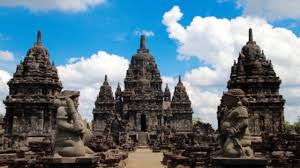
TEMPLES IN BANGLA DESH
Before the independence of Bangladesh in 1947, the country was home to thousands of temples that held significant cultural and religious value. These temples were not only places of worship but also served as architectural and historical landmarks. However, the status of temples in Bangladesh has seen changes over the years, and it is important to understand their current state.
Today, temples continue to hold relevance and importance in the religious and cultural fabric of Bangladesh. While the number of temples may have decreased compared to the pre-independence era, there are still numerous temples spread across the country. These temples serve as places of worship for the Hindu community, fostering a sense of spiritual connection and providing a space for religious rituals and ceremonies.
One of the most well-known and revered temples in Bangladesh is the Dhakeshwari Temple, located in the capital city of Dhaka. This temple, dedicated to the Hindu goddess Dhakeshwari, attracts devotees from all over the country. It is a symbol of religious harmony and cultural heritage, reflecting the rich history and diversity of Bangladesh.
While the majority of temples in Bangladesh are dedicated to Hindu deities, there are also temples that are significant for other religious communities. For example, the Kantaji Temple in Dinajpur is a famous temple dedicated to Lord Krishna and is considered an architectural masterpiece. Similarly, the Ramna Kali Mandir in Dhaka is a prominent temple for devotees of the goddess Kali.
It is important to note that the status of temples in Bangladesh is not without challenges. Over the years, some temples have faced issues such as encroachment, neglect, and lack of maintenance. These challenges have resulted in the deterioration of certain temple structures and the loss of valuable historical artifacts. However, efforts are being made by both the government and non-governmental organizations to preserve and protect these temples.
The government of Bangladesh recognizes the cultural and historical significance of temples and has taken steps to ensure their preservation. The Department of Archaeology, under the Ministry of Cultural Affairs, is responsible for the conservation and maintenance of archaeological sites, including temples. Additionally, various initiatives and programs have been implemented to raise awareness about the importance of temples and to encourage their preservation.
Furthermore, non-governmental organizations and community groups have also played a vital role in safeguarding temples. These organizations work towards creating awareness, organizing restoration projects, and providing support for the maintenance and upkeep of temples. Their efforts have been instrumental in preserving the cultural heritage associated with these temples.
In conclusion, while the number of temples in Bangladesh may have decreased compared to the pre-independence era, temples continue to hold significance in the religious and cultural landscape of the country. They serve as places of worship, cultural heritage, and symbols of religious harmony. Efforts by the government and non-governmental organizations are being made to preserve and protect these temples, ensuring that their historical and cultural value is upheld for future generations.
Rate us and Write a Review

