

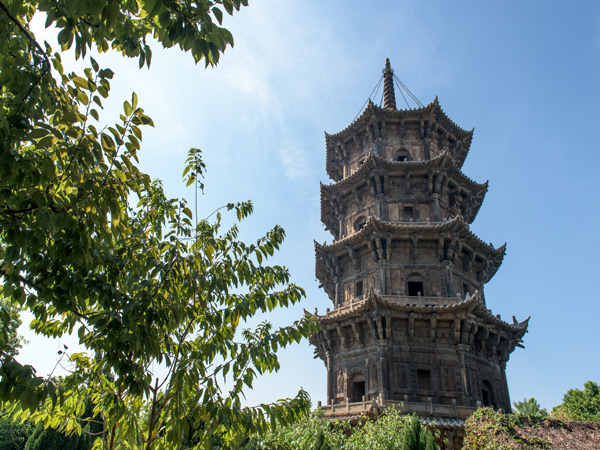
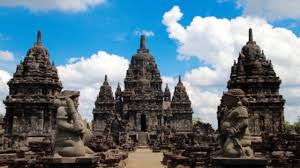
NARSIMHA TEMPLE
1000 Years old Hindu Temple in CHINA
The history of Quanzhou’s temples and Tamil links was largely forgotten until the 1930s, when dozens of stones showing perfectly rendered images of the god Narasimha — the man-lion avatar of Vishnu — were unearthed by a Quanzhou archaeologist called Wu Wenliang. Elephant statues and images narrating mythological stories related to Vishnu and Shiva were also found, bearing a style and pattern that was almost identical to what was evident in the temples of Tamil Nadu and Andhra Pradesh from a similar period. Quanzhou’s south Indian links. Ms. Wang says there is a renewed interest — and financial backing — from the local government to do more to showcase what she describes as the city’s “1000-year-old history with south India,” which has been largely forgotten, not only in China but also in India.
In a hidden corner of the 7th century Kaiyuan Buddhist Temple, which is today Quanzhou’s biggest temple and is located in the centre of the old town. A popular attraction for Chinese Buddhists, the temple receives a few thousand visitors every day. In a corner behind the temple, there are at least half a dozen pillars displaying an extraordinary variety of inscriptions from Hindu mythology.
A few kilometres from the Kaiyuan temple stands a striking several metre-high Shiva lingam in the centre of the popular Bamboo Stone Park.
Rate us and Write a Review

